




Staying connected across countries often involves more than simply having access to a mobile network. Travelers may move between regions where different operators provide coverage, while remote workers may need a stable connection across changing locations. Traditional SIM cards can make this process more complicated because they are generally tied to a specific carrier or service plan.
CloudSIM offers another approach. Instead of relying entirely on a physical SIM card associated with one operator, CloudSIM technology allows a compatible portable WiFi device to access mobile connectivity through a cloud-based network system.
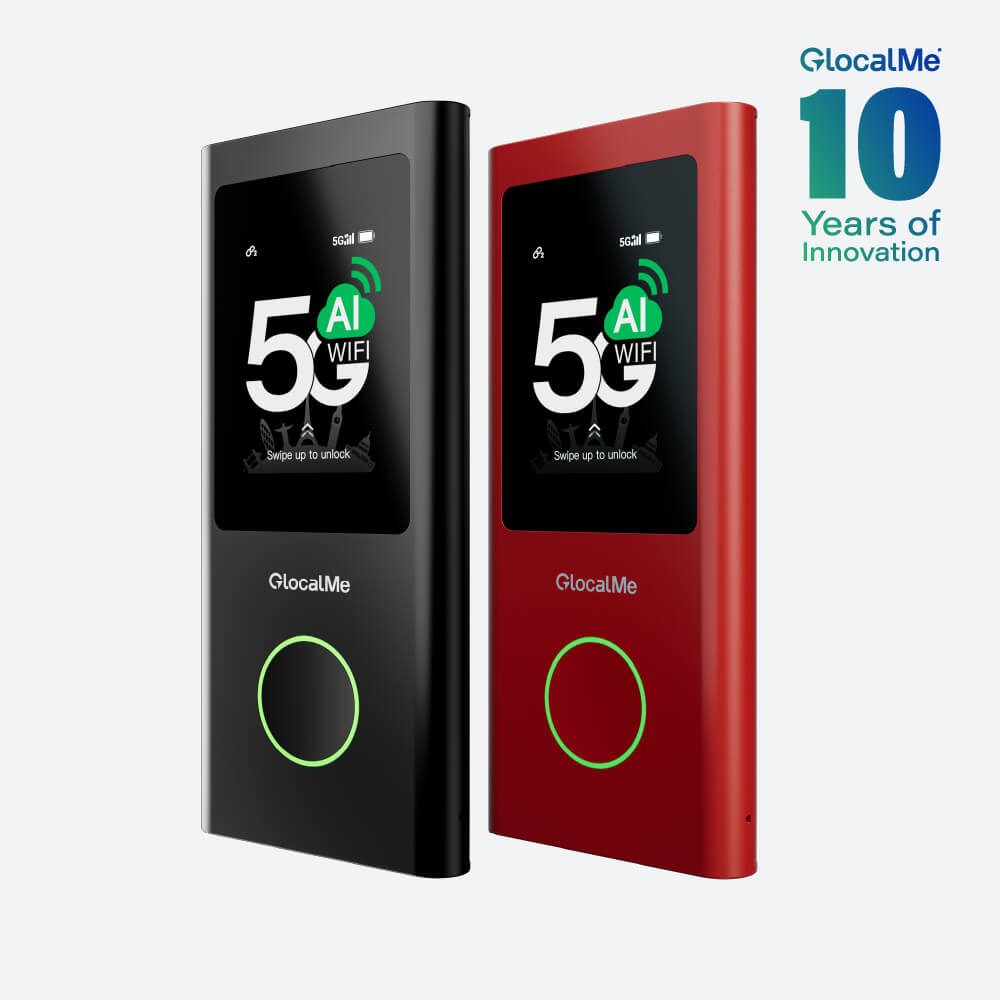
This approach is central to how GlocalMe portable WiFi devices provide connectivity across different destinations. By combining CloudSIM with network management technology, the device can simplify the process of getting online while traveling, working remotely, or using multiple connected devices.

What Is CloudSIM Technology?
CloudSIM is a cloud-based connectivity technology that separates mobile network access from a single physical SIM card. Rather than requiring users to manually replace SIM cards when changing countries or networks, the device can access supported mobile connectivity through a centralized system.
A conventional SIM card identifies a subscriber to a particular mobile network. An eSIM uses a programmable SIM profile that can be installed digitally on a compatible device. CloudSIM takes a different approach by managing connectivity through cloud-based network resources.
This distinction matters for a portable WiFi device because the device is designed to provide a shared internet connection rather than simply connect one smartphone to a mobile network.
Cloud-Based Network Access
With CloudSIM, network access can be managed through the connectivity service rather than being limited to one physical SIM card. When a device is used in another country, the available network environment can change. CloudSIM technology allows the connectivity system to work with supported local networks without requiring the traveler to physically change a SIM card.
CloudSIM and Network Selection
CloudSIM itself is not the same as automatically choosing the strongest network. Network selection depends on the technology and service architecture used by the device.
In GlocalMe's ecosystem, CloudSIM works alongside network management technology to support connectivity across different carrier networks. Mobile performance can still vary according to location, network availability, and local conditions.
How CloudSIM Works in a Portable WiFi Device
A portable WiFi device connects to a compatible cellular network and creates a local WiFi network. Smartphones, laptops, tablets, and other WiFi-enabled devices can connect to the hotspot without each device requiring its own cellular connection.
CloudSIM operates on the cellular connectivity side of this process. It helps the hotspot obtain mobile network access without requiring the traveler to manage a separate physical SIM for every destination.
From Cellular Network to WiFi
There are two connections involved. First, the portable hotspot obtains internet access through a cellular network, with CloudSIM supporting the management of that mobile connectivity. Second, the device distributes the connection locally through WiFi.
This separation allows several WiFi-enabled devices to use the same mobile connection without requiring each device to have its own SIM or mobile plan.
Managing Connectivity Across Destinations
A traveler moving between countries may encounter different carriers and network conditions. With a traditional SIM, changing mobile service may involve purchasing or installing another SIM or activating a new roaming arrangement.
CloudSIM can simplify this process by providing access to supported network services through its cloud-based connectivity platform. The available network still depends on the destination, local coverage, and supported carrier relationships.
CloudSIM vs SIM and eSIM
CloudSIM, traditional SIM cards, and eSIMs all support mobile connectivity, but they manage network access in different ways.
A physical SIM is a removable hardware component associated with a mobile subscription. Travelers using international SIM cards may need to replace the original SIM or purchase a local service when arriving in another country.
An eSIM replaces the physical card with a programmable digital profile. Travelers can often install a travel eSIM before departure and activate it when they arrive. The eSIM still provides connectivity through the specific profile and service selected by the user.
CloudSIM uses a cloud-based approach to network access. Rather than making the user responsible for changing a physical SIM, the connectivity platform manages access to supported networks for compatible devices.
This makes CloudSIM relevant to a portable WiFi with eSIM comparison. Both can provide mobile connectivity without repeatedly changing physical SIM cards, but they work differently. A travel eSIM is generally installed directly on a compatible phone or device, while CloudSIM can operate as part of a dedicated hotspot system that shares connectivity with multiple devices.
Why CloudSIM Matters for Portable WiFi
The technical difference becomes more meaningful when looking at how people use mobile internet while traveling.
One Connection for Multiple Devices
A dedicated hotspot can provide connectivity for a smartphone, laptop, tablet, and other WiFi-enabled devices through one connection.
This can be useful for travelers who do not want to install a mobile service separately on every device. It also allows devices without cellular capabilities, such as many laptops and tablets, to access the internet while connected to the hotspot.
For users looking for a portable WiFi solution for devices across several pieces of equipment, this shared architecture can be more practical than managing individual mobile connections.
Connectivity Across Countries
International travelers may visit several countries during one trip. A connectivity system that supports multiple networks can reduce the need to arrange a separate physical SIM for each destination. This is particularly relevant for multi-country itineraries where travelers may cross borders frequently and want to avoid managing connectivity at every arrival.
Remote Work
Remote workers often carry more than one device and may move between hotels, coworking spaces, cities, or countries. CloudSIM-based connectivity can support a dedicated hotspot that provides WiFi access for work devices while leaving the smartphone's own mobile connection available for other purposes.
The actual suitability still depends on local network coverage, data requirements, and the available connection.
How GlocalMe Uses CloudSIM in Portable WiFi
GlocalMe uses CloudSIM as part of its approach to international mobile connectivity. Its portable WiFi ecosystem is designed to provide internet access across a broad range of destinations without requiring travelers to repeatedly change physical SIM cards.
GlocalMe states that its network ecosystem supports hundreds of carrier networks across more than 200 countries and regions. This network access is combined with network management technology that helps compatible devices connect through available carrier services.
CloudSIM and GlocalMe Network Access
For a GlocalMe portable WiFi device, CloudSIM provides the connectivity layer that allows the device to work with supported mobile network services.
This differs from simply inserting a local SIM into a hotspot. The user interacts with the GlocalMe connectivity service, while the underlying system manages access to available supported networks.
Connection quality still depends on local infrastructure, coverage, network congestion, and the service available in each location.
CloudSIM and HyperConn
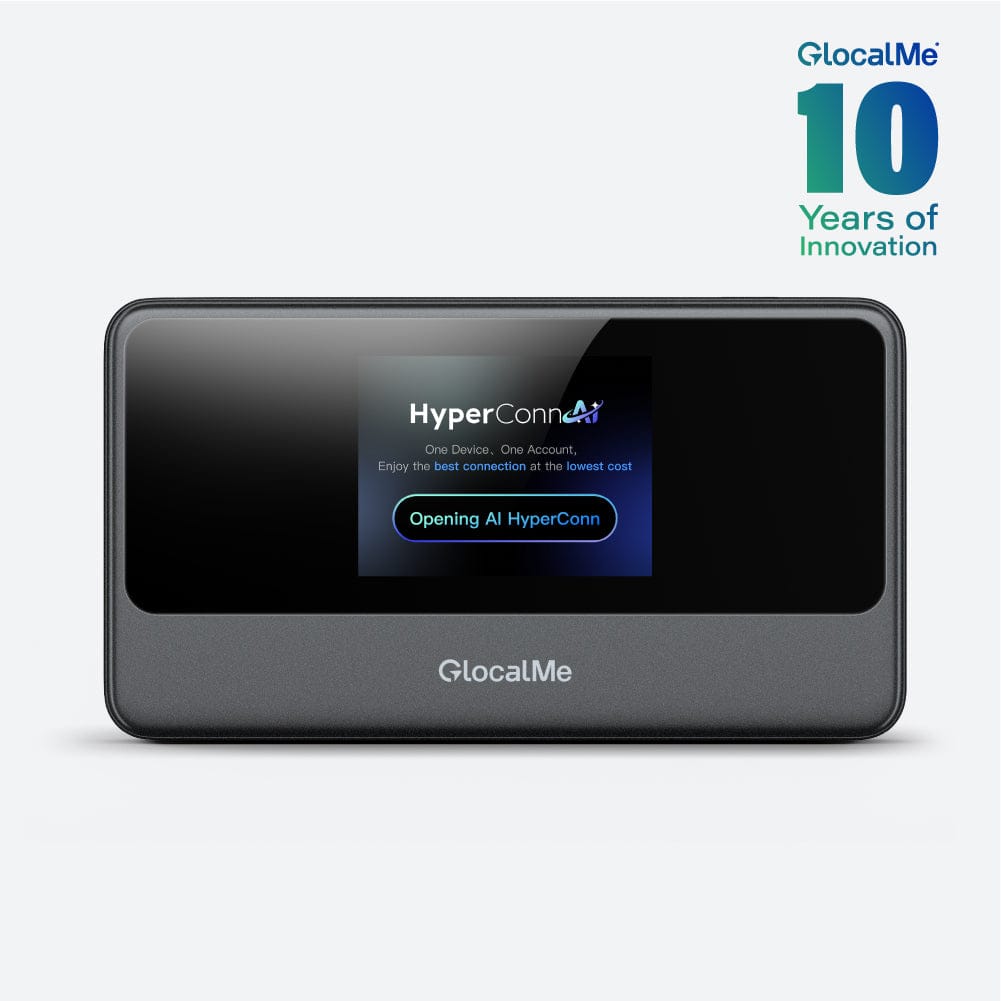
GlocalMe also uses HyperConn technology in selected devices. While CloudSIM focuses on how the device accesses supported mobile services, HyperConn is designed to help manage network connectivity.
The two technologies therefore serve distinct functions. CloudSIM provides the connectivity architecture, while network management technology helps the device work with available network conditions.
CloudSIM for Travel and Remote Work
CloudSIM is most relevant when connectivity needs extend beyond a single location or device.
International Travel
Travelers visiting several countries can use a connectivity system that does not require frequent physical SIM changes. A dedicated hotspot can also provide one shared connection for travel companions and multiple personal devices.
Business Travel
Business travelers often carry laptops, smartphones, and tablets. A dedicated hotspot can keep these devices connected through one mobile connection without configuring mobile service separately on each device.
Flexible Work
People working while traveling may move between destinations without a fixed office network. A portable hotspot provides a separate connectivity option that can travel with the user.
CloudSIM adds flexibility to this model by supporting connectivity across supported networks and destinations.
What to Consider Before Choosing a CloudSIM Portable WiFi Device
CloudSIM can simplify international connectivity, but it should not be the only factor considered when choosing a hotspot.
Check the countries and regions covered by the service, supported network technologies, the number of devices that can connect, battery life, and available data options.
Network coverage remains particularly important. CloudSIM can provide access to supported networks, but it cannot create coverage where local cellular infrastructure is unavailable.
Device design also matters. Travelers who carry a hotspot throughout the day may prioritize compact dimensions and battery life, while remote workers may place greater importance on device capacity and connection stability.
The Role of CloudSIM in Global Portable WiFi
CloudSIM changes how a portable WiFi device can approach international connectivity. Instead of treating each country as a separate SIM management problem, it provides a cloud-based framework for accessing supported mobile networks through one connectivity service.
For travelers, remote workers, and people carrying several WiFi-enabled devices, this approach can reduce some of the practical steps involved in staying connected across destinations.
The technology does not replace the importance of local network coverage or data planning. Its main value lies in making the underlying connectivity easier to manage. Combined with a dedicated hotspot and network management technology, CloudSIM provides a foundation for a more flexible approach to portable WiFi connectivity across different countries.


